Low-carb and keto meal prep: Freezer recipes and tips

Top 4 benefits of meal prepping
Batch cooking can be a lifesaver when you’re short on time. Instead of cooking every meal from scratch, prepare several portions at once and keep them in the refrigerator or freezer for the days ahead.
Here are four great reasons to make meal prep part of your routine:
- Saves time: Cook several portions at once and spend less time in the kitchen during the week.
- Makes healthy eating easier: Having a ready-made low-carb meal in the fridge or freezer makes it easier to eat well when you’re busy.
- Can save money: Batch cooking makes it easier to take advantage of larger packs, seasonal ingredients, and foods you already have at home.
- Reduces food waste: Freeze extra portions and ingredients before they have a chance to go to waste.
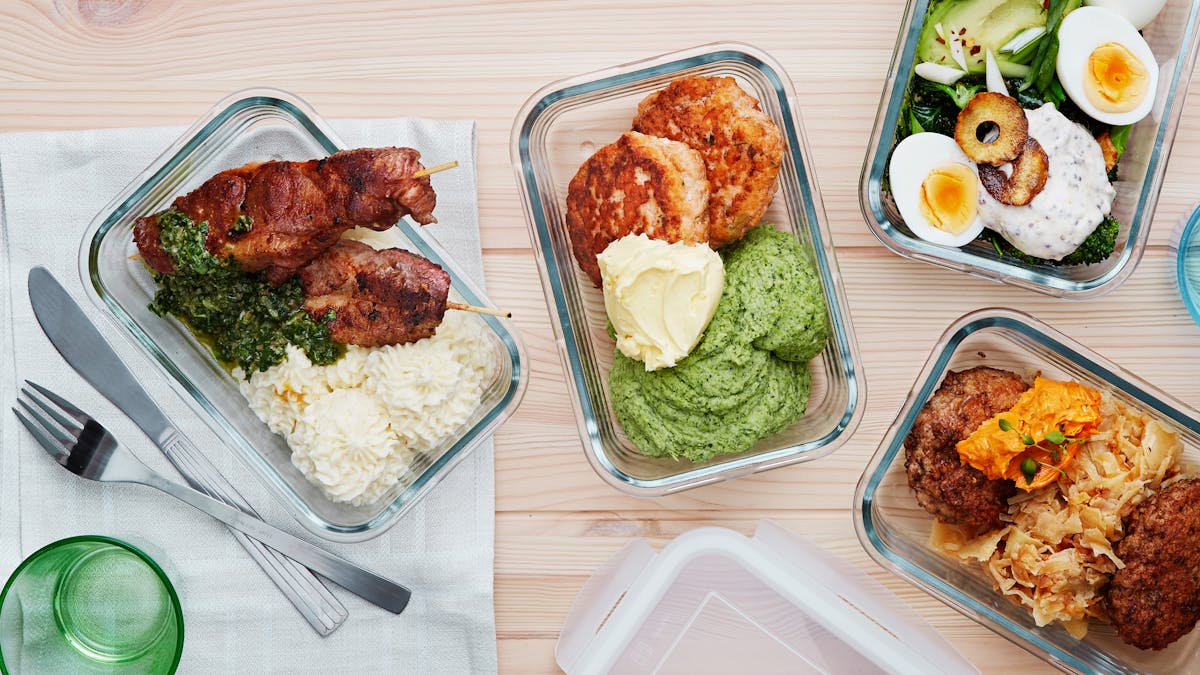
Batch meal prepping means making additional servings to enjoy later. If you’ll eat them within the next few days, store them in airtight containers in the refrigerator. For longer storage, portion and freeze your meals so you always have something ready when time is short.
Which low carb recipes work best for batch cooking?
Some recipes are naturally better suited to freezing than others. Soups, stews, casseroles, meatballs, breads, and many baked dishes can taste just as good reheated, while foods with delicate textures or lots of water may not fare as well.
Creamy sauces can separate and raw vegetables can become watery or mushy, so choosing the right recipes can make the difference between a convenient freezer meal and a disappointing one.
Below, you’ll find some of our favorite low-carb and keto recipes for meal prep, along with practical tips for freezing breakfasts, lunches, dinners, and desserts.
Our top meal prep breakfast ideas
Busy mornings are much easier when breakfast is already prepared. Many keto breakfasts and low carb breakfasts can be made ahead, portioned, and frozen for a quick meal at home or on the go.
Some of the best freezer-friendly breakfast options include:
- Egg muffins
- Breakfast casseroles
- Pancakes
- Chaffles
- Breads, such as cloud bread
- Quiches and frittatas
- Veggie hash browns and fritters
When planning breakfast, don’t forget the protein. Egg muffins, frittatas, and breakfast casseroles can be made more substantial with eggs, cottage cheese, meat, smoked salmon, or other protein-rich ingredients.
Think about how you’ll eat and transport your breakfast before freezing it. For example:
- If you’re taking breakfast to work or eating on the go, freeze individual portions so they’re easy to grab. For egg muffins, using paper liners can make individual portions especially convenient.
- If you plan to eat breakfast at home, freeze individual portions or store several portions together in a freezer-safe container.
Breakfast recipes





Top meal prep ideas for lunch and dinner
Lunch and dinner are often the meals that take the most time to prepare, which makes them ideal for batch cooking. Making extra portions when you cook can give you an easy homemade meal for another day with very little extra work.
These types of low-carb meals tend to freeze and reheat particularly well:
- Casseroles and stews
- Soups (and bread)
- Pizzas and pizza crusts
- Quiches and frittatas
- Prepared meat bases such as chili, pulled pork, Tex Mex, or curry
- Meat pies and lasagnas
- Meatballs and chicken nuggets
- Asian cabbage stir fry
Soups, stews, chili, curries, meatballs, lasagna, and casseroles are especially useful for batch cooking because they’re easy to portion and often reheat without losing much of their original texture.
Tomato- and broth-based dishes generally freeze particularly well, as do cooked vegetables and ground meat dishes. Recipes containing large amounts of cream, cream cheese, sour cream, or certain cheeses may change in texture after freezing and reheating, so keep that in mind when choosing which meals to freeze.
Lunch and dinner recipes


Freezer-friendly desserts
Many low-carb and keto desserts freeze surprisingly well, making it easy to prepare a larger batch and save individual portions for later. Cakes, muffins, pancakes, waffles, cookies, bars, and frozen desserts can all be good candidates for the freezer.
Some freezer-friendly options include:
- Cakes
- Ice creams
- Waffles
- Pancakes
- Muffins
- Fat bombs and truffles
- Crackers and bars
- Berries
Tip: If you want to freeze muffins, pancakes, waffles, cookies, or other individual portions without them sticking together, arrange them in a single layer on a baking sheet and freeze until firm. Transfer them to a freezer-safe bag or container once frozen. This makes it easy to take out only what you need.
Dessert recipes


How to prep foods for the freezer
Even a perfectly cooked meal can lose flavor and texture if it isn’t packaged properly. A little preparation before freezing helps protect your food from freezer burn, makes meals easier to reheat, and helps you keep track of what’s in your freezer.
For the best results:
- Cool cooked food before freezing.
- Freeze meals in practical, meal-sized portions.
- Use freezer-safe containers or wrapping.
- Remove as much excess air as possible.
- Label food with the name of the dish and the date it was frozen.
- Freeze leftovers and extra portions while they’re still fresh.
Tip: Slice low-carb bread before freezing it. That way, you can take out only the slices you need and toast them straight from frozen — no need to thaw the whole loaf.
What to avoid freezing?
There are plenty of dishes that freeze beautifully, but some ingredients don’t return to their original texture after thawing.
Dishes containing lots of heavy cream, sour cream, cream cheese, or creamy sauces can sometimes separate or become grainy after freezing and reheating.
Foods containing mayonnaise, including chicken or tuna salad, are also generally better enjoyed fresh rather than frozen.
Likewise, fresh vegetables with a high water content, such as lettuce, tomatoes, and cucumbers, tend to lose their crisp texture and can become watery after thawing.
Freezer-friendly, low carb ingredients
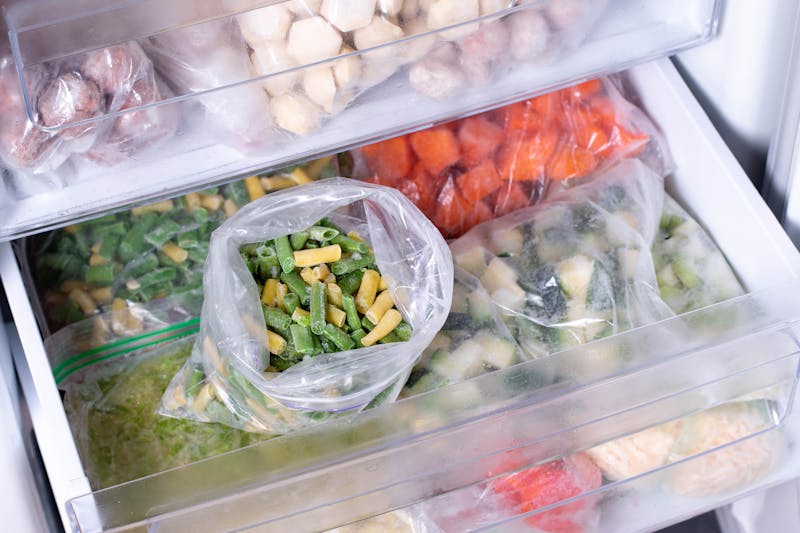
You don’t have to freeze complete meals to make meal prep worthwhile. Preparing individual ingredients ahead of time can dramatically cut down on cooking time during the week.
Useful ingredients to keep in the freezer include:
- Cooked meats such as plain or seasoned ground beef, chicken, crumbled sausage, and bacon
- Chopped veggies like onion or peppers
- Shredded cheese
- Chopped fresh herbs
- Broth
- Non-cream or mayonnaise-based sauces like broth or tomato-based sauces
- Garlic butter or other flavored kinds of butter
You may not have a complete meal waiting in the freezer, but having some of the prep already done can make getting dinner on the table considerably faster.
How long can foods be kept frozen?
Properly frozen food can be stored much longer than fresh food, although quality can gradually decline over time.
The fat content of a food can also affect how well it keeps in the freezer. Foods that are higher in fat may develop off flavors sooner during long-term storage because fats can oxidize, even when frozen. For the best flavor and quality, try to use higher-fat foods and meals sooner rather than leaving them in the freezer indefinitely.
Most baked goods can be successfully frozen for up to 2-3 months. Low carb cookies, muffins, and bread can often be frozen successfully for up to six months.
Cooked meats, stews, casseroles, and egg-based dishes such as frittatas will keep for at least two months and will likely still be tasty after three months in the freezer.
What containers are best for freezing foods?
Choose freezer-safe containers that fit the amount of food you’re storing without leaving excessive empty space. Reducing the amount of air surrounding the food can help protect its quality and reduce freezer burn.
Silicone food storage bags, coated or laminated freezer paper, heavy plastic wraps or bags, and heavy-duty foil can all be used to tightly wrap and protect food. Flexible bags are especially useful because they can often be frozen flat, making meals easier to stack and helping maximize freezer space.
Rigid plastic or glass containers designed for freezing are another option. If using glass, leave enough room for the contents to expand as they freeze. Wide-mouthed freezer-safe jars can also make frozen food easier to remove.
How to avoid freezer burn
Freezer burn happens when frozen food is exposed to air. It isn’t necessarily a food-safety issue, but it can negatively affect taste, texture, and color.
To help prevent freezer burn, make sure food is well wrapped or stored in airtight containers and remove as much excess air as possible before sealing.
After packaging your food, label it with the name of the dish and the date it was frozen. This makes it much easier to know what’s in your freezer — and what should be eaten first.
How to defrost or thaw frozen foods
How you thaw frozen food can affect both food safety and the final taste and texture. The refrigerator is usually the simplest option when you have time to plan ahead, while the microwave or cold-water method can speed things up when needed.
For food safety, food should not be left to thaw at temperatures between 40 °F and 140 °F (5 °C and 60 °C). This temperature range is often called the “danger zone,” where bacteria can multiply rapidly.
Here are the main methods for safely thawing frozen meals and ingredients.
Refrigerator thawing
Thawing food in the refrigerator is one of the simplest methods. The consistently cool temperature allows food to thaw gradually while helping it maintain its flavor and texture.
Larger portions may need up to 24 hours or longer to thaw completely, so plan ahead. Moving tomorrow’s dinner from the freezer to the refrigerator the night before is an easy habit to get into.
Microwave thawing
When you’re short on time, the defrost setting on your microwave can thaw food much more quickly.
Microwaves vary, so follow the manufacturer’s instructions for the type and amount of food you’re defrosting. The microwave may begin to heat or partially cook some areas of the food during defrosting.
Food thawed in the microwave should be cooked or reheated immediately.
Cold-water thawing
Cold-water thawing can be a useful option for food stored in tightly sealed, leak-proof packaging.
Place the sealed food in a bowl or sink filled with cold water, making sure water cannot enter the packaging. Change the water approximately every 30 minutes so it stays cold.
Once the food has thawed, cook or reheat it immediately.
Cooking without thawing
Some foods can be cooked or reheated directly from frozen when you don’t have time to thaw them first. Keep in mind that they will take longer to heat through, and the final texture may differ slightly.
When cooking directly from frozen, the item may require approximately 50% additional cooking time to cook through completely.
For soups, stews, and other foods frozen in a liquid base, run cold water over the outside of the closed storage container briefly to help loosen the frozen food from the sides.
Transfer it to a saucepan and begin reheating over low heat, stirring as it starts to thaw. Once defrosted, increase the temperature and heat until thoroughly hot.
How to reheat frozen meals
The best reheating method depends on the type of food. Choosing the right method can make a noticeable difference to both texture and flavor.
A microwave is convenient and fast and works particularly well for moist dishes such as soups, stews, and casseroles. Leaner meats and poultry can become dry or rubbery when reheated too aggressively in the microwave.
A skillet or saucepan on the stovetop takes a little longer but can heat food more evenly, especially meals without a lot of sauce. Adding a small amount of fat, broth, cream, or water can help keep foods moist as they reheat.
For foods that benefit from a crisp exterior, an air fryer can be a great option. Chicken wings, fritters, breaded foods, and pizza slices can regain much of their original crispness when reheated in an air fryer.
The oven is another good option for reheating breads, muffins, casseroles, and meats. Covering the food when appropriate can help it heat evenly without drying out or over-browning.
Frequently asked questions about low-carb freezer meal prep
Can you freeze keto and low-carb meals?
Yes. Many keto and low-carb meals are excellent for freezing, especially soups, stews, casseroles, meatballs, chili, curries, frittatas, breads, and other cooked dishes. Recipes containing ingredients that change texture after freezing may need a little more care.
What low-carb meals freeze best?
Meals with cooked meat and vegetables in tomato- or broth-based sauces tend to freeze particularly well. Soups, stews, chili, curries, meatballs, lasagna, casseroles, frittatas, and many baked dishes are all good options for batch cooking and freezing.
Can you freeze meals with cream or cheese?
Some creamy dishes can be frozen, but sauces containing large amounts of heavy cream, sour cream, cream cheese, or melted cheese may separate or change texture when thawed and reheated. If possible, you can sometimes freeze the base of the dish and add the creamy ingredient when reheating.
Can you freeze cooked eggs and frittatas?
Cooked egg dishes such as egg muffins, breakfast casseroles, quiches, and frittatas can be frozen and reheated, although their texture may be slightly different from when freshly cooked. Freezing individual portions makes them especially convenient for meal prep.
Should you thaw frozen meals before reheating?
Not always. Many foods can be reheated directly from frozen, although they’ll take longer to heat through. Refrigerator thawing is a convenient option when you can plan ahead, while microwave or cold-water thawing can be useful when time is limited.